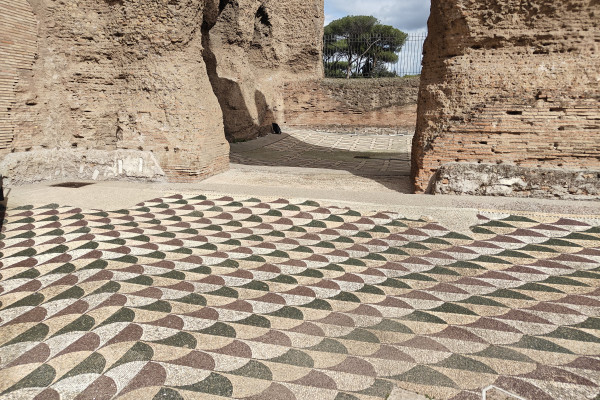
The Baths of Caracalla—a chance to explore one of ancient Rome’s most impressive public spaces.
- Friendly and Professional Guide only for your family or your group of friends
- The Baths of Caracalla are among the largest and best-preserved thermal complexes of the ancient world.
- Indulge your curiosity and feel free to pepper your guide with questions
| Included |
|
|---|---|
| Not included |
|
| Duration | 1 Hour 30 Minutes |
| Bring along | ID or passport are mandatory. Guests who show up without ID or passport cannot be guaranteed entrance. A moderate amount of walking is involved, so please wear comfortable shoes. |
| Participants | Private tour - To book a private tour in another language contact us! |
| Requirements | ID or passport are mandatory. Guests who show up without ID or passport cannot be guaranteed entrance. The full names (as shown on the ID card) of all the participants in the booking are needed at the time of the booking, incomplete or incorrect information on the booking will result in denied entry and loss of the tour. |
| Important information | ID or passport are mandatory. Guests who show up without ID or passport cannot be guaranteed entrance. Prohibited items inside the Castle include sharp objects, glass containers, alcoholic beverages, and bulky bags or luggage. |
Further information
The Baths of Caracalla—a chance to explore one of ancient Rome’s most impressive public spaces.The Baths of Caracalla are among the largest and best-preserved thermal complexes of the ancient world. Built in the early 3rd century CE, the baths span an area of about 15 hectares (27 acres) and could accommodate up to 1,600 people simultaneously. Standing here today, it’s easy to grasp the sheer scale and ambition behind this project. But the real story of these baths goes beyond the bricks and marble. This was a vibrant hub of daily life—where people came not just to bathe, but to exercise, read, socialize, and even conduct business.As you walk through the vast halls and past the mosaic floors, it’s easy to get a sense of the rhythm of daily life that once filled these spaces. The scale of the architecture speaks for itself, but it’s the small details—like the layout of the gym rooms or the remains of decorative art—that hint at how the baths were used and experienced by ordinary Romans.
